![favicon-256.png]](https://help.textrequest.com/hs-fs/hubfs/favicon-256.png?width=30&height=30&name=favicon-256.png)
Notification Types Overview
Text Request offers five ways to stay alerted when a customer messages your dashboard:
| Notification Type | Alert Method | Best For | Requirement/Scope |
| Sound Notifications | Audio chime / repeating reminder chimes | Staff working actively inside the dashboard | Requires dashboard tab to be open; device volume on |
| Visual Notifications | Green unread badge counts on dashboard icons | Multi-line teams monitoring several dashboards | Configurable per dashboard |
| Desktop Notifications | Pop-up banner in the corner of your screen | Multi-tasking on a PC or Mac while working in other apps | Requires browser permission enabled |
| Email Notifications | Direct email sent to designated team inboxes | Team members who keep email open all day | Max 5 email addresses per dashboard |
| Escalation SMS | Automated SMS alert sent to a manager's mobile phone | Urgent unanswered texts after a set timeframe | Administrators & Managers only |
Note: Sound, Visual, and Desktop notifications operate on an individual user basis. Changing your preferences will not alter settings for other team members on your account.
Setting Up Sound & Visual Notifications
With sound notifications on, you will receive alerts on all lines when a new message comes in. You can set the notification to continue to remind you at various intervals until you interact with the message, only notify you when it first comes in, or mute notifications entirely.
Sound notifications work on an individual user basis, so turning your notifications on or off does not affect other users on your account. These notifications will only chime if you’re viewing the Queue or have the Queue open in another browser.
Sound Notifications
Path: Profile & Preferences (Avatar Icon) > Notifications
1. Toggle the Sound button to On.
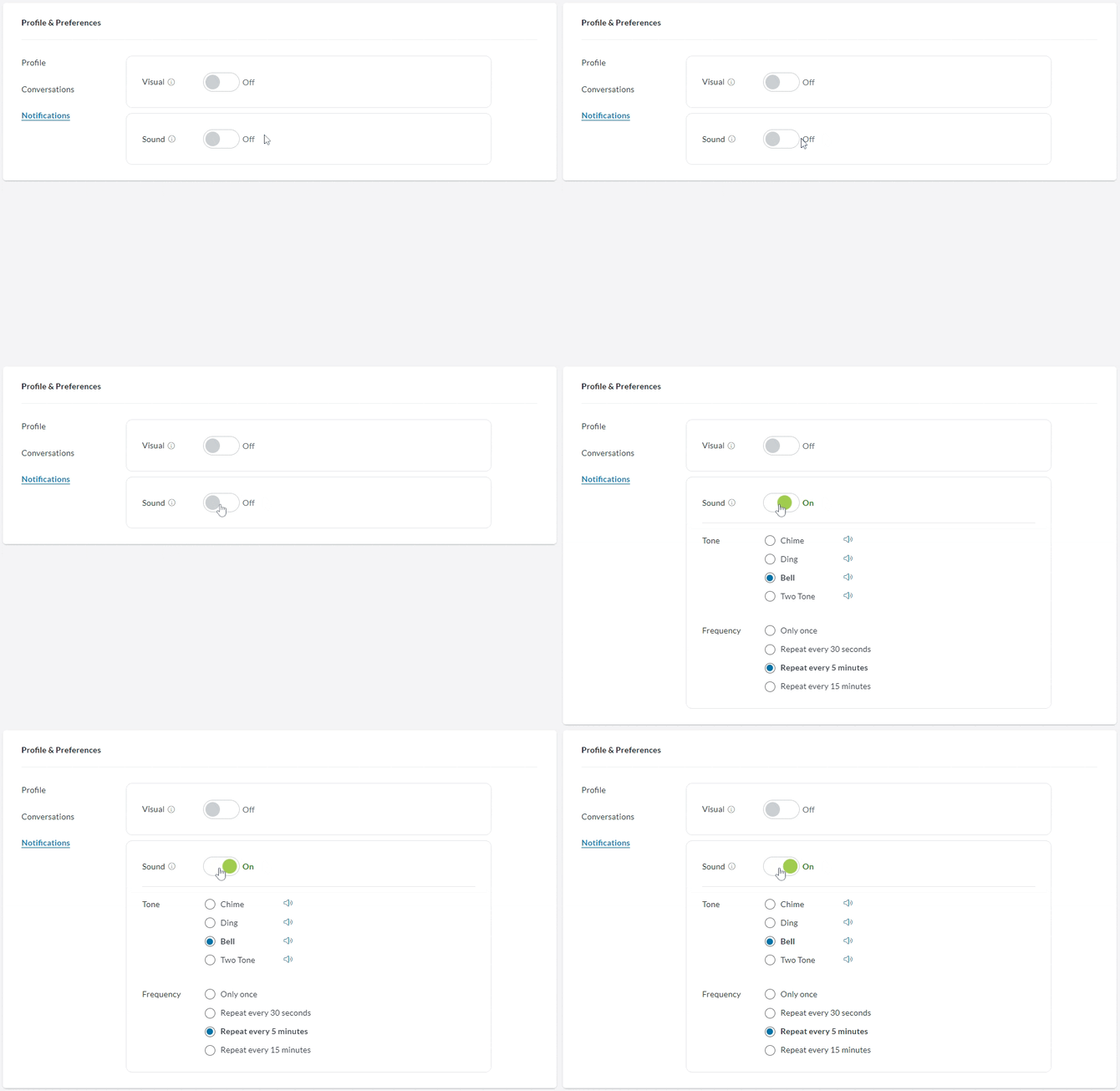
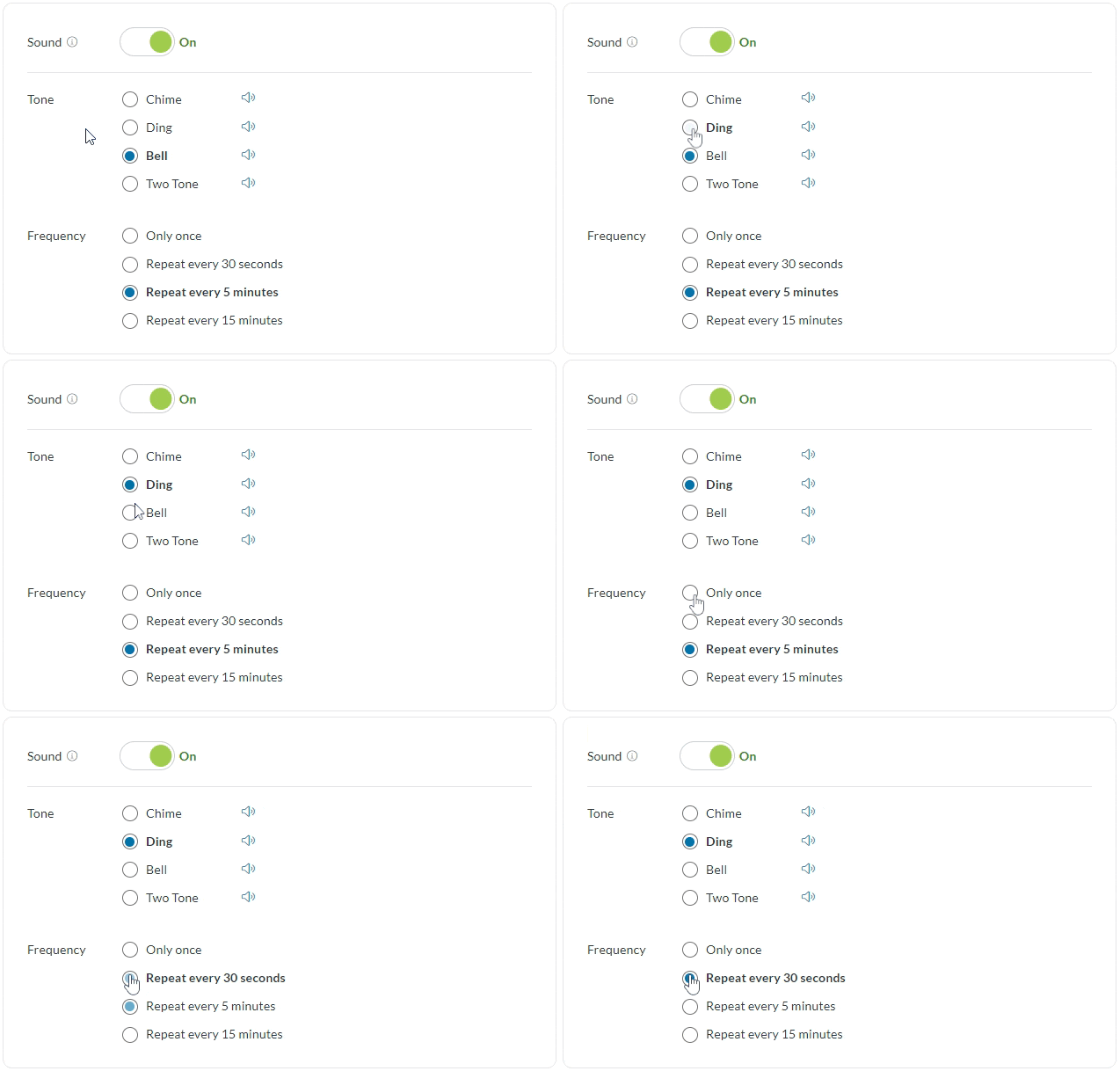
2. Select your preferred alert chime from the drop-down menu (click the Speaker icon to test sounds).
3. Set your preferred Reminder Interval (e.g., chime once upon arrival, or repeat until answered).
Visual Notifications
Path: Profile & Preferences (Avatar Icon) > Notifications
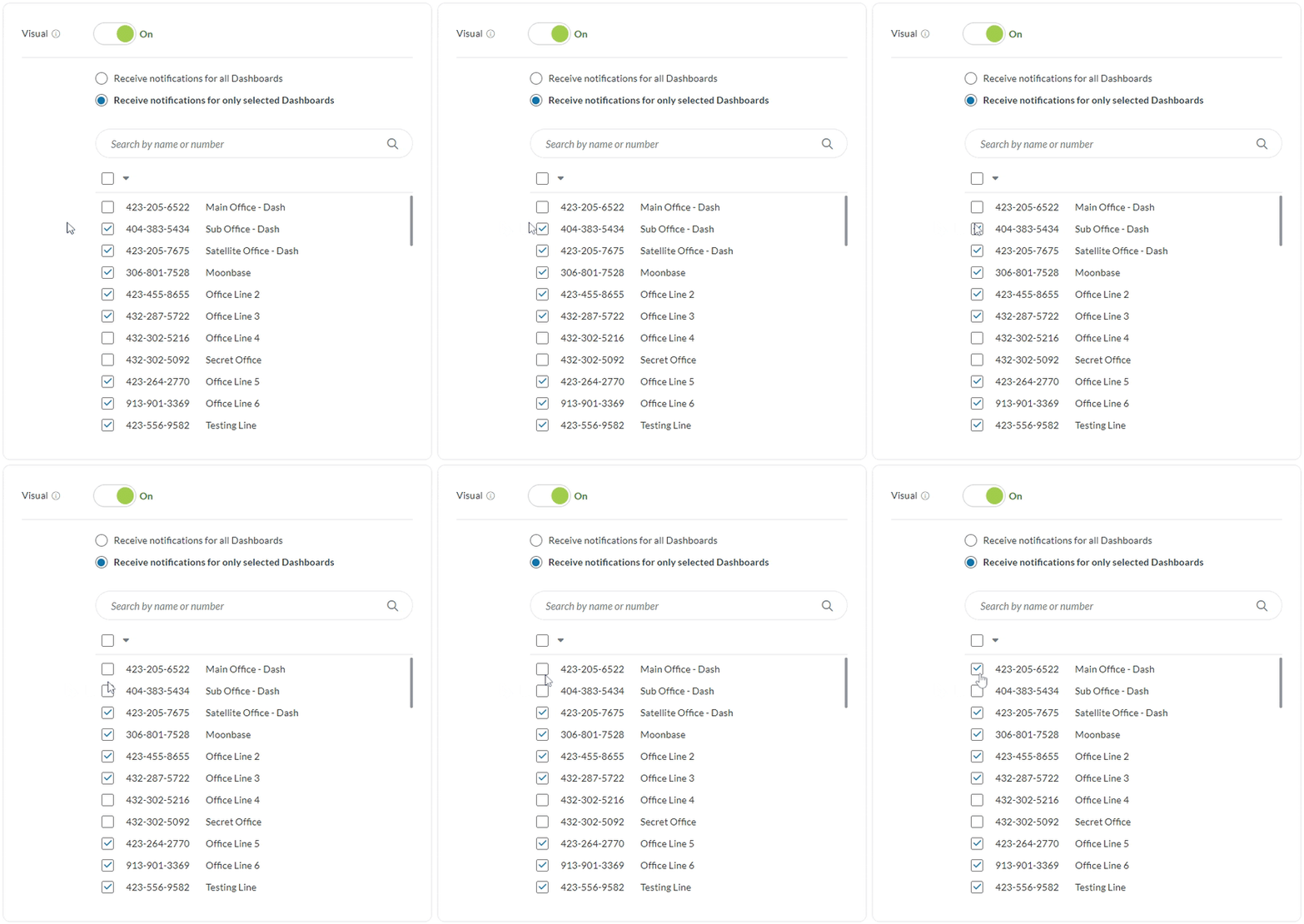
1. Toggle Visual Notifications to On.
2. Choose All Dashboards or select specific dashboards to monitor.
Tip: Changes save automatically as soon as you toggle or select an option, so you can close the window immediately.
Enabling Desktop Notifications
Receive pop-up banners in the bottom corner of your computer screen whenever a text arrives, even if your web browser is minimized.
Path: Profile & Preferences (Avatar Icon) > Notifications
1. Toggle Desktop Notifications to On.
2. When prompted by your web browser, click Allow to give Text Request permission to display notifications.
3. Ensure your computer's system settings (such as Focus Assist on Windows or Do Not Disturb on Mac) are turned off so alerts aren't blocked.
Configuring Email Notifications
Route incoming message alerts to up to five email addresses so team members stay informed from their inbox.
Path: Settings > Email Notifications
1. Enter the desired email address into the Add Recipient field.
2. Click Add.
3. Repeat for up to five total recipient email addresses per dashboard.
If an assigned recipient is not receiving email alerts, verify that the email address was entered correctly and ask them to check their Spam or Junk folders. For more information, see our Email Notifications guide.
Setting Up Escalation Alerts (SMS Reminders)
Ensure unanswered texts are never forgotten by automatically escalating unresolved messages to a manager's mobile phone after a set number of minutes.
Path: Settings > Escalation
1. Toggle Escalation Status to Enabled.
2. Enter the designated mobile phone number into the Forwarding Number field.
3. Enter the wait time (in minutes) into the Escalation Timeout field.
4. Click Save.
Escalation alerts are sent as outbound text messages from your dashboard to the designated phone number, which will count toward your monthly plan message usage. For more information, see our Escalation guide.